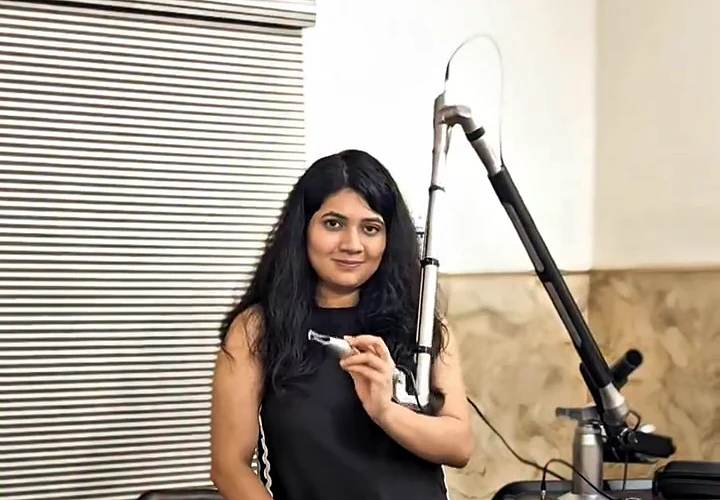

A chemical peel is a solution applied to the skin in the clinic to exfoliate it in a controlled way. There is no single “best” peel: in her patient-education videos Dr Mitali explains how each peel suits a different concern, which is why the choice is made only after your skin has been examined.
When a consultation may help
- Oily, acne-prone skin with blackheads and breakouts.
- Tanning, dark spots or uneven tone that is not fading.
- Rough texture, dullness or early fine lines.
- Thickened, rough patches of skin that need assessment.
What happens at your consultation
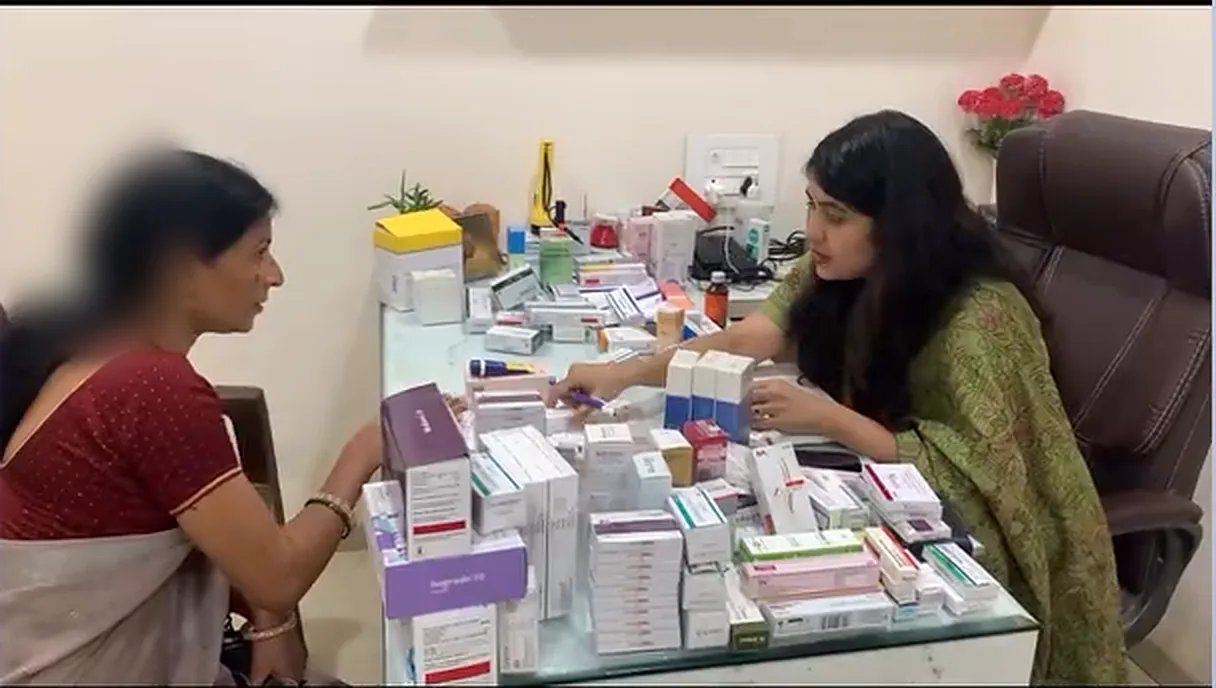
Your skin type, concern, current products, sun exposure and any history of cold sores, sensitivity or recent treatments are reviewed. If a peel is suitable, Dr Mitali explains which one, how many sessions are usually planned and how to prepare and care for your skin afterwards.
Approaches offered at the clinic
- Salicylic peel — reduces oil and sebum, helps control acne and smooths texture
- Glycolic peel — for fine lines, sun damage, blackheads and clogged pores
- Lactic peel — for tanning, superficial blemishes, age spots and fine lines
- TCA (“blue”) peel — for selected thickened skin lesions
- Black peel — for acne-prone skin
- Retinol (“yellow”), ferulic, arginine and pumpkin peels — for tone, glow, hydration and early ageing
Which of these is appropriate — if any — is decided with you after assessment.
At the clinic
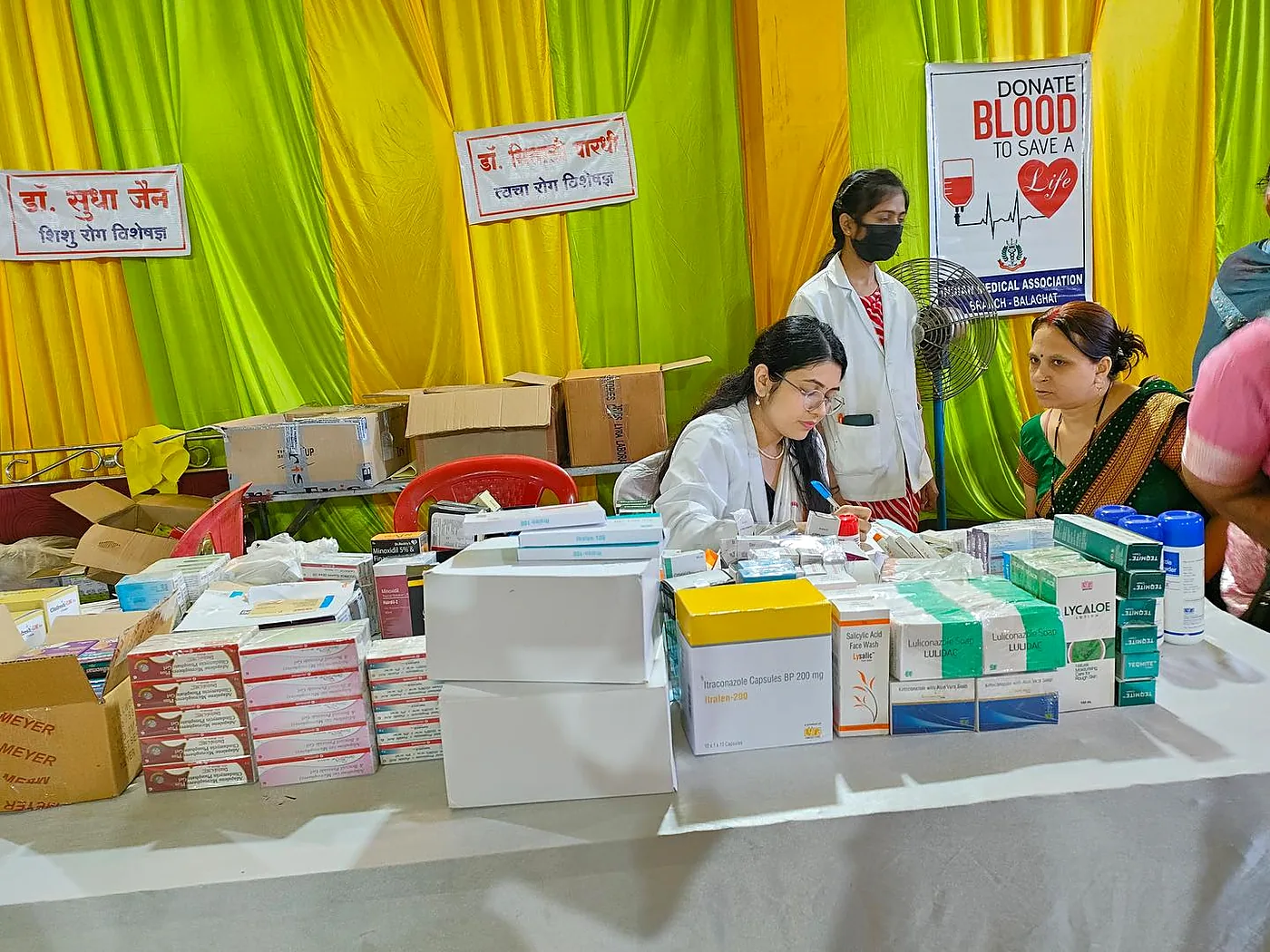
What to expect
Most peels are quick in-clinic sessions. Mild tingling during the peel, and some redness, dryness or light flaking for a few days afterwards, are common. Peels are usually planned as a series spaced a few weeks apart, and daily sunscreen is essential.
Limitations & risks
Peels can cause irritation and, in darker skin, temporary darkening if not chosen and prepared carefully. They are avoided over active infection, broken skin, recent waxing or certain medicines, and some are not suitable during pregnancy — your history is checked first.
Frequently asked questions
It depends on your concern and skin type. Salicylic peels suit oily, acne-prone skin, while lactic and glycolic peels are often used for tanning, dullness and fine lines. Dr Mitali chooses after examining your skin.
Most medical peels cause only light flaking or dryness for a few days. Visible peeling depends on the peel and strength chosen for you.
Yes, with planning. Peels are best started weeks ahead and not done just before the day, so your skin has time to settle.
Peels can improve marks, texture and oiliness. Deeper pitted scars usually need other procedures — this is discussed at consultation.
This page is general information, not medical advice. Suitability and results vary between individuals and are discussed at consultation.