

Once breakouts settle, many people are left with something that bothers them just as much: the marks and scars acne leaves behind. The good news is that these can often be improved. The important part is knowing which kind you have.
Marks or scars?
- Dark or red marks are flat colour changes left after a pimple heals. They are not true scars and often fade with time, sun protection and the right skincare.
- Pitted (depressed) scars are changes in the skin’s texture, where tissue was lost during deep or inflamed acne.
- Raised scars are less common and more likely on the chest, back and jawline.
Treat active acne first
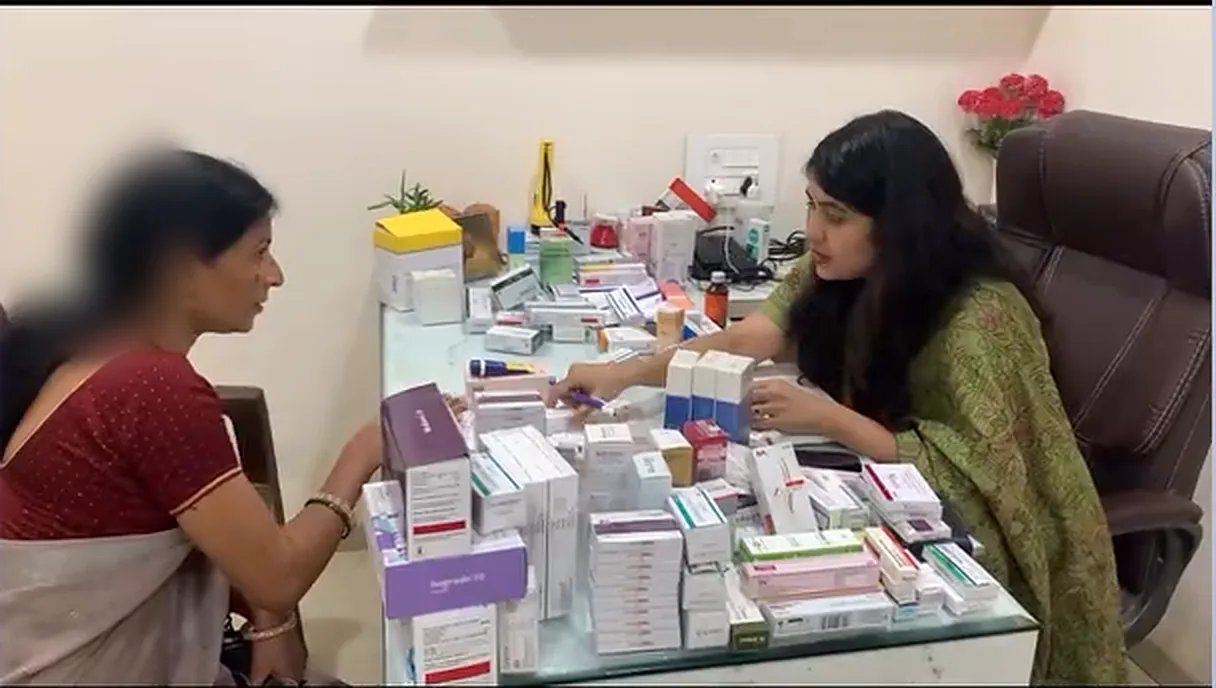
New breakouts mean new marks. That is why the first step is usually bringing active acne under control with prescription topical and, where appropriate, oral treatment, alongside cleansers, moisturisers and sunscreen that suit acne-prone skin.
How scar treatment is planned
Dr Mitali examines the skin to see which type of scarring is present, how deep it is and how your skin tends to heal. In-clinic procedures for marks and scars are then chosen after this assessment, and progress is reviewed at follow-up visits.
Realistic expectations
Scars can often be improved, but complete removal cannot be promised. Improvement is gradual and varies from person to person. Some medicines and procedures are not suitable during pregnancy — this is discussed before you start.
When to book
See a dermatologist if acne is deep or painful, has lasted several weeks despite a steady routine, or is leaving dark marks or pitted scars.
This article is general information, not medical advice. Please consult a dermatologist about your own skin or hair.